In his University Chapel, Ralph Adams Cram, the supervising architect on campus since 1907, provided the ideal philosophical architectural counterpoint to President Hibben's arguments as to the symbolic value of a chapel on Princeton's campus. The two worked together to develop a building that would function on many levels at once, reinforcing an awareness of the university's history, its chosen mission, and its relatively new status as a university.

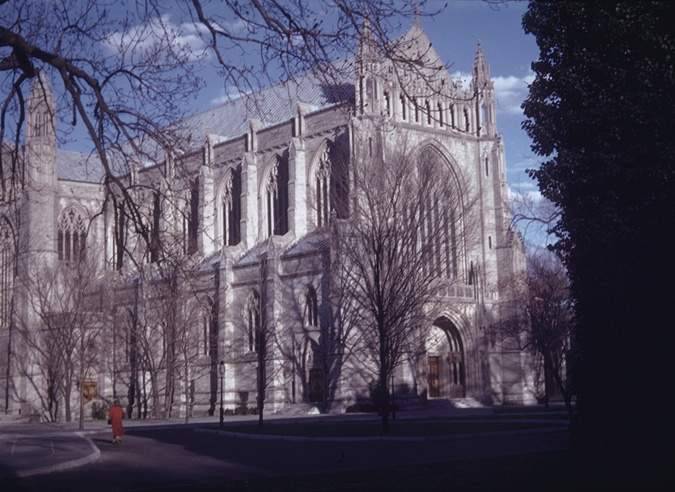

In his University Chapel, Ralph Adams Cram, the supervising architect on campus since 1907, provided the ideal philosophical architectural counterpoint to President Hibben's arguments as to the symbolic value of a chapel on Princeton's campus. The two worked together to develop a building that would function on many levels at once, reinforcing an awareness of the university's history, its chosen mission, and its relatively new status as a university.