Of all the religious revivals in American history, the Great Awakening of the early 1700s was among the most intense and influential. Evangelical, emotional, and marked by fiery preaching and dedication to piety, the Great Awakening had split the Presbyterian Church into two camps by the 1740s.
On the one hand were the conservative "Old Lights," who frowned on the emotional excesses of the Great Awakening. On the other were the New Lights, filled with zeal of the born-again. The College of New Jersey was born because of this split in the Presbyterian Church, a period called the Great Schism.
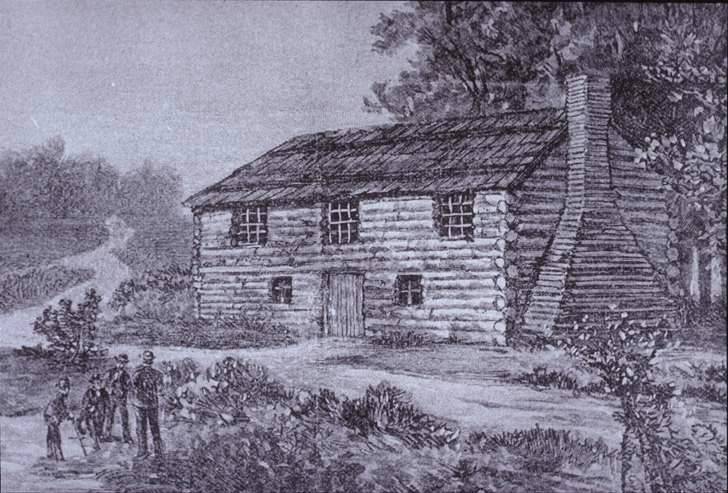
William Tennant's short-lived Log College, in Bucks County, Pennsylvania, was a hotbed of New Light advocacy, and a number of its graduates later played roles in the new College of New Jersey.


Of all the religious revivals in American history, the Great Awakening of the early 1700s was among the most intense and influential. Evangelical, emotional, and marked by fiery preaching and dedication to piety, the Great Awakening had split the Presbyterian Church into two camps by the 1740s.
On the one hand were the conservative "Old Lights," who frowned on the emotional excesses of the Great Awakening. On the other were the New Lights, filled with zeal of the born-again. The College of New Jersey was born because of this split in the Presbyterian Church, a period called the Great Schism.
William Tennant's short-lived Log College, in Bucks County, Pennsylvania, was a hotbed of New Light advocacy, and a number of its graduates later played roles in the new College of New Jersey.